Fillwords: Word Search Puzzles
- 4.9
- Rating
- 10.00M
- Installs
- Free
- Price
 Analysis by App-foxy
I like word games that are easy to start but still give my attention something useful to do. Fillwords: Word Search Puzzles fits that space well. It is a free word game from Malpa Games built around finding words and solving logic-style puzzles, with a calm pace that makes it suitable for a short break rather than a long, demanding gaming session. My overall impression is simple: it is a strong choice if you want quiet mental exercise, but it is less suitable if you need a competitive format, rich storytelling, or a constantly changing set of mechanics.
The game has earned an average rating of 4.9 from around 471 thousand ratings and has passed 10 million installs. Those figures suggest that its straightforward approach works for a broad audience. I can understand the appeal after spending time with it: there is very little to learn before playing, the word-search format feels familiar, and the logic element gives the puzzles more purpose than merely scanning a grid at random.
Why the puzzle format works so well
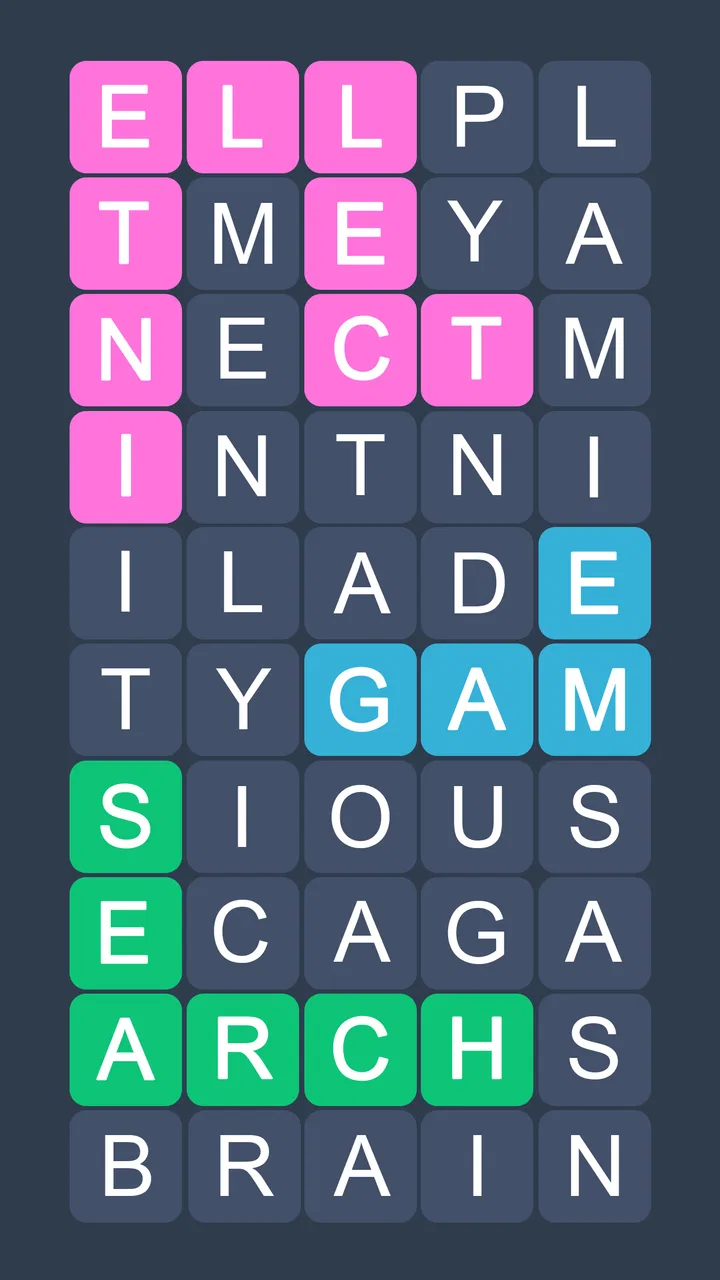
The main strength is the way the game turns a familiar word search into a more deliberate activity. Instead of treating every puzzle as a race, I found myself slowing down, checking possible letter paths, and thinking about how the remaining spaces might fit together. That makes each board feel like a small problem to solve rather than a test of speed.
You May Also Like

 Blood Strike: 2.5 Anniversary
Blood Strike’s Loadouts Turn Every Drop Into a Tactical Gamble
A close look at Blood Strike’s custom loadouts: how fast access to signature weapons reshapes its battle royale rhythm, rewards preparation, and narrows the gap between fights.

 Pandora - Music & Podcasts
Pandora’s Music Is Easy to Start, but Harder to Recover
Pandora’s strength is its low-effort path from a seed to a station. Its weak spot is how much confidence it asks you to place in connection, setup, and quiet recovery.

 8 Ball Pool
 Is Built on Rivalries, Rematches, and Routine
A close look at the rivalries, rematches, shared routines, and unanswered safety questions that turn a quick pool match into a persistent mobile community.

 Samsung Music
’s Quiet Strength Is Playing What You Already Own
Its reach comes less from spectacle than from dependable access to a personal library. That simplicity is both the app’s strongest retention engine and its ceiling.

 AccuWeather: Weather Radar
AccuWeather Review: A Quick, Clear Forecast for Everyday Decisions
For everyday plans, the best forecast is the one you can understand quickly. AccuWeather makes rain timing, radar, and local conditions easy to act on, with a few trade-offs.

 Hill Climb Racing
Why Hill Climb Racing Still Turns Crashes Into One More Run
A tiny car, a bumpy hill and one more upgrade: Hill Climb Racing keeps resurfacing because its simple chaos makes every near-miss feel personal.
More From Our News Desk
View All News


For a casual player, this low-pressure design is useful. I can open it while waiting for an appointment, play one puzzle, and stop without feeling that I have abandoned a complicated campaign. It also works well when I want something more engaging than scrolling but less intense than an action game. The store describes it as an offline puzzle experience, and that is an important part of its appeal for travel, waiting rooms, or places where a reliable connection is inconvenient.
The word-search foundation is also approachable for adults who do not normally consider themselves gamers. There are no complicated controls to master. The central action is reading the board carefully and tracing the words, so the challenge comes from observation and reasoning rather than reflexes. That makes it a comfortable recommendation for someone who wants a brain teaser without learning a large set of rules first.
One practical habit improved my results: I stopped looking only for the longest or most obvious word. When I scan the board by checking unusual letter combinations and then examining nearby directions, I waste less time following patterns that lead nowhere. This is a small adjustment, but it changes the experience from random searching into a repeatable solving method.
I also found that taking a short pause can be more effective than repeatedly dragging across the same area. After looking away briefly, letter paths that seemed invisible often become easier to notice. That makes the game surprisingly suitable for short mental resets. It rewards patience more than frantic tapping, which is one reason I would choose it over a faster arcade-style distraction when I want to relax.
The logic side adds another useful layer. A pure word-search game can become repetitive when the answer is found simply by sweeping across rows and columns. Here, the need to interpret the board and connect the available letters gives the session a more thoughtful rhythm. It is still accessible, but it asks me to make decisions instead of relying entirely on visual luck.
That balance explains why the game can work for different situations. A casual player can use it as a few-minute pastime, while someone who enjoys word puzzles can treat each board as a focused exercise. I would not describe it as a deep strategy game, but it offers enough mental involvement to feel more satisfying than a disposable time filler.
A good offline companion for everyday gaps
The offline focus is especially valuable in ordinary situations. Imagine sitting on a train with limited reception, waiting for a family member, or taking a quiet break away from social media. I can start a puzzle without needing to coordinate with other players or remember a complicated objective. The game suits those gaps because the commitment is small and the activity remains self-contained.
That same simplicity makes it useful for winding down in the evening. I prefer it to games that constantly push notifications, timers, or competitive pressure when I am trying to reduce stimulation. The word-search format keeps my eyes and mind occupied, but it does not demand the kind of rapid response that can make a supposedly relaxing game feel stressful.
There is also a practical benefit for people who enjoy language-based activities but do not want a formal learning app. It is not a replacement for studying vocabulary, and I would not use it as a serious language course. Still, searching for words encourages attention to spelling, letter order, and visual patterns. That makes it a pleasant supplement for someone who enjoys words without wanting lessons or tests.
Parents may also find the Everyone content rating reassuring for shared use, although the game’s real appeal depends on the child’s reading ability and patience. I would not hand it to a very young child expecting an action game to hold attention. It is better suited to readers who already enjoy spotting words and can appreciate a quiet puzzle format.
What makes it different from ordinary alternatives
Compared with a basic newspaper-style word search, Fillwords: Word Search Puzzles feels more convenient because it can be picked up anywhere and does not require a printed page or pencil. Compared with crossword games, it places less emphasis on recalling definitions or interpreting clues. That makes it friendlier when I want a puzzle but do not feel ready for demanding vocabulary questions.
It also occupies a middle ground between simple word searches and broader brain-training collections. A large brain-training app may offer more variety, but it can feel busy, overly structured, or filled with activities I do not want to play. This game is more focused. If my preference is specifically for finding words and working through logic-oriented boards, that narrower identity is a benefit rather than a weakness.
On the other hand, players who need variety may prefer a collection with anagrams, crosswords, number puzzles, and memory tests in one place. The focused format can eventually feel familiar. I see that as the main trade-off: the game is easy to return to because it is consistent, but consistency can also limit its long-term freshness for players who quickly tire of one puzzle style.
Another useful comparison is with competitive word games. Those alternatives may offer leaderboards, timed matches, or direct interaction with other players. Fillwords is better when I want control over the pace and do not want to feel judged by a score or opponent. If competition is what motivates you to keep playing, a multiplayer word title will probably be a better fit.
The limitations I noticed before recommending it
The calm design is not perfect for everyone. Players who want a strong sense of progression, a story, or dramatic rewards may find the experience too restrained. The game’s satisfaction comes from solving the board itself, not from an elaborate world built around it. I appreciate that focus, but I would not recommend it to someone looking for a full adventure game disguised as a word puzzle.
There is also a natural limit to how much novelty a word-search structure can provide. Even when the board arrangement changes, the basic action remains familiar: inspect letters, identify words, and complete the puzzle. That is enough for relaxing sessions, but it may not sustain someone who needs a new mechanic every few minutes.
The free-to-play model deserves attention as well. The game is free to download, while optional in-app purchases range from $0.99 to $54.99 per item. I would approach those purchases carefully and decide in advance whether I am comfortable spending money on hints, convenience, or other optional content if they appear during play. The safest way to enjoy a puzzle game like this is to treat the free experience as the starting point and avoid buying anything impulsively when stuck.
That payment range does not automatically make the game poor value, but it does affect how I would recommend it. For a person who wants a completely unrestricted, one-time purchase experience, a paid word-puzzle app with no optional spending may feel more comfortable. For someone happy to play free puzzles and ignore extras, the model is easier to live with.
Another limitation is that offline play, while convenient, also means the experience is intentionally self-contained. I would not choose it when I want live events, social challenges, or the feeling that other players are shaping the session. Its strength is independence, and independence means giving up some of the energy that comes from connected play.
Who should install it
I would recommend it first to adults who enjoy word searches but want something more polished and portable than a printed puzzle book. It is particularly well suited to people who like quiet games, short sessions, and challenges that reward concentration rather than speed. The Everyone rating also makes it a reasonable option for family members to try together, provided each player is comfortable with the reading level and puzzle pace.
It is a good match for commuters, travelers, and anyone who regularly has small periods of waiting. I can imagine keeping it available for a ten-minute break, using one puzzle to reset my attention before returning to work. That use case feels more natural than trying to play for hours at a time.
I would also suggest it to people who find conventional crosswords too demanding. Because the central task is visual searching rather than solving clues from definitions, the entry barrier is lower. You can still make mistakes in how you scan the board, but you are not required to know a large range of trivia or specialist vocabulary before you begin.
It is less appropriate for players who want narrative progression, character development, fast competition, or a broad collection of unrelated mini-games. It is also not the best choice if you dislike optional purchase systems on principle. In those cases, a traditional puzzle book, a paid no-purchase app, or a multiplayer word game may better match your expectations.
New players should give themselves permission to play slowly. I found that trying to solve every board as quickly as possible made the game less enjoyable and did not necessarily improve my accuracy. A better routine is to scan the edges first, look for distinctive letter sequences, and then revisit the center once the obvious possibilities are gone. This approach makes the puzzle feel more methodical and reduces the temptation to tap randomly.
For longer sessions, I would also switch between focused play and short breaks. Word-search boards can strain attention when I stare at them continuously, especially after several puzzles. A pause is not just a comfort measure; it can improve visual recognition when I return. That is one of the more useful ways to get value from the game without turning a relaxing activity into a tiring one.
Version, access, and overall value
Malpa Games has kept this title available as a mature word-game option since its release on January 11, 2017. The current version is 1.58.8, and it requires Android 8.0 or later. Those details matter if you are installing it on an older device, so I would check the operating system before planning to use it on a spare phone or tablet.
The game is free, which makes trying it low risk, and its large install base shows that the format has broad appeal. Still, popularity should not replace personal fit. The real question is whether you enjoy a focused word-search loop. If you do, the free entry point makes it easy to test during a few spare minutes. If you already know that repeated visual searching becomes boring, the high rating will not change that basic preference.
My strongest recommendation is to treat it as a calm utility for the mind rather than a game you must master. It works best when I use it to fill a quiet gap, relax before bed, or give myself a short break from more demanding screens. Expecting a deep competitive system or constant novelty would set the wrong standard and make its simplicity look like a flaw.
After weighing the strengths and limitations, I think Fillwords: Word Search Puzzles succeeds because it understands its own scale. It does not need complicated controls or an elaborate premise to provide a satisfying few minutes of concentration. The offline-friendly word-search format is approachable, the logic element keeps it from feeling completely passive, and the free download makes experimentation easy.
My verdict is that this is a worthwhile recommendation for relaxed word-puzzle fans, especially those who value simple sessions and dependable offline play. I would skip it only if you need competitive pressure, story-driven progression, or a wider range of puzzle types. For everyone else, it is an accessible way to turn spare time into a small, focused challenge without demanding a major commitment.
FAQs for Fillwords: Word Search Puzzles
01What is Fillwords: Word Search Puzzles?
Fillwords: Word Search Puzzles is a highly engaging word search game available on both Android and iOS platforms. It challenges players to find hidden words within a grid of letters, offering various difficulty levels and themes to keep the gameplay fresh and exciting. Perfect for word puzzle enthusiasts.
02Are there any in-app purchases in Fillwords: Word Search Puzzles?
Yes, Fillwords offers in-app purchases. While the game is free to download and play, certain features, such as additional puzzle packs or hints, may require a purchase. These options enhance gameplay, but they are not necessary to enjoy the full experience of the game.
03Does Fillwords: Word Search Puzzles require an internet connection?
Fillwords can be played offline, making it an excellent choice for users who want to enjoy the game without needing an internet connection. However, some features, such as downloading new puzzle packs or syncing progress across devices, may require connectivity.
04Is Fillwords: Word Search Puzzles suitable for all ages?
Yes, Fillwords is designed to be family-friendly and suitable for all ages. The varying difficulty levels make it accessible for children and challenging for adults, providing a great way for families to enjoy word puzzles together and improve vocabulary skills.
05How does Fillwords: Word Search Puzzles handle user data and privacy?
Fillwords adheres to strict privacy policies to protect user data. The app collects minimal personal information necessary for gameplay and in-app purchases. Users can review the privacy policy within the app settings to understand how their data is used and protected.
Pros
- Engaging and challenging puzzles.
- Wide variety of word themes.
- Simple and intuitive interface.
- Regular updates with new puzzles.
- Offline play available for convenience.
Cons
- Advertisements can be intrusive.
- Limited free hints available.
- In-app purchases may be pricey.
- No multiplayer or social features.
- May become repetitive over time.

Fillwords: Word Search Puzzles
Gallery